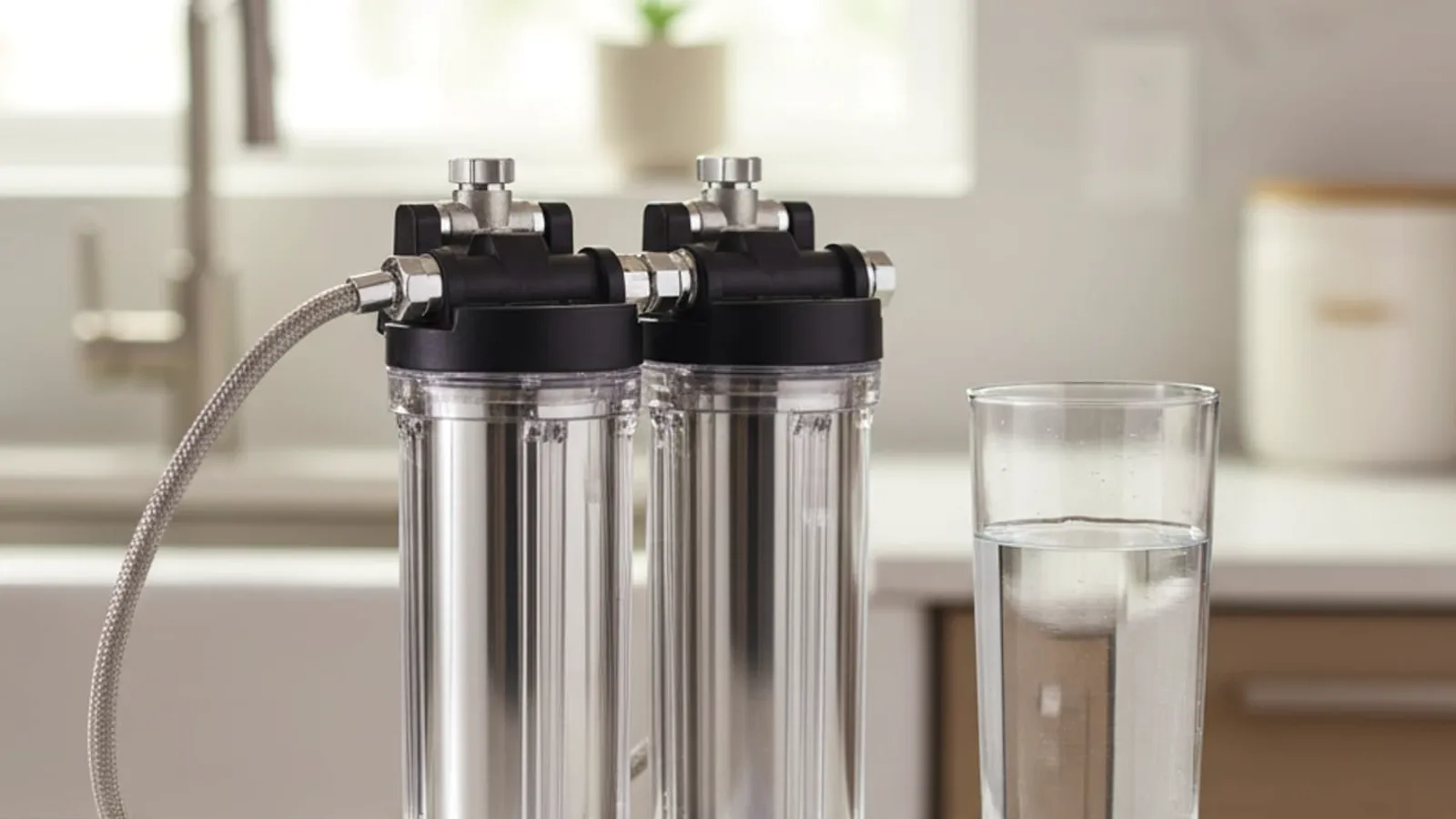
San Diego homeowners often ask about PFAS removal system cost. No single figure applies to every property. The total depends on your water source and chosen fixtures. Equipment certifications, plumbing conditions, and lab work also shape the final bill. Breaking down each element helps you plan an accurate budget. A bundled price hides important details. You deserve a clear picture before committing to any project.
Choosing between point of use and whole house systems
The EPA recognizes several home treatment technologies for reducing contaminants. These include reverse osmosis, activated carbon, and ion exchange resins. Not every product using these methods actually reduces PFAS. The EPA recommends verifying certification data for your specific target contaminant. Shoppers can filter exact models by verified total PFAS reduction claims using the WaterSense reverse osmosis product search.
Scope determines the type of equipment you need. Point of use units treat water at one tap, usually for drinking and cooking. Point of entry systems handle most or all water entering the residence. According to the EPA home water treatment guide, point of entry gear generally costs thousands of dollars. Reverse osmosis units tend to cost a few hundred dollars and may require professional installation. These figures represent broad national categories rather than specific local quotes. Our whole house versus under sink comparison explores this decision further.
Budgeting for under sink reverse osmosis units
Kitchen tap filtration is a common goal for many households. Compare point of use models carrying a verified PFAS reduction claim. Your written quote should list the model number, included tank, and plumbing work. Commissioning steps must also appear in the estimate. An NSF/ANSI 58 or WaterSense label alone does not prove PFAS reduction. Always review the performance data sheet for that specific model.
Ownership involves more than the initial purchase price. Prefilters and membranes need replacement at manufacturer specified intervals. The unit also sends some water down the drain during operation. Efficiency ratings vary significantly between different models. Comparing both replacement schedules and efficiency helps predict long term expenses. Read our reverse osmosis cost guide for additional variables that affect your quote.
Investing in whole house carbon or ion exchange equipment
Properties needing treatment beyond a single tap require point of entry gear. Quotes should state the exact media or model alongside its verified PFAS claim. Flow ratings, pressure requirements, and plumbing alterations must be detailed. Ask about bypass arrangements, cartridge replacement plans, and disposal terms. Expanding the treatment scope naturally raises purchase and maintenance expenses.
Point of entry setups suit documented goals covering many household fixtures. Point of use options remain practical when only drinking water needs attention. Neither choice should happen automatically without proper evaluation. Generic technology names never guarantee a specific outcome. Review our PFAS removal service page to understand the process. You can also read about how to remove PFAS from San Diego water for deeper context.
Determining if laboratory testing makes sense
Public water customers should start with their current utility quality report. Notices from the serving district provide essential baseline information. The City of San Diego water quality portal offers reports and contacts for City customers. City data cannot apply to another district, a private well, or every building tap.
Private well owners bear full responsibility for their own testing. The CDC recommends using a state certified laboratory for analysis. Local health or environmental departments can advise which chemicals fit your location. Confirm the laboratory panel includes the specific compounds causing concern. Our guide on PFAS in San Diego drinking water provides helpful background information.
Organizing your line item estimates
Request that providers separate these elements in writing:
- State certified laboratory analysis including the named PFAS panel.
- Exact treatment model or media with its applicable certified reduction claim.
- Installation, plumbing alterations, permits if applicable, and startup.
- Replacement filters, membranes, or media at manufacturer stated intervals.
- Water and energy consumption where relevant.
- Post installation laboratory testing to confirm performance.
Separating these items makes comparing multiple quotes much simpler. It also exposes hidden ownership costs before they become surprises. A basic in home screening helps discuss equipment fit but is not a laboratory result. Consider scheduling a free in home water test to begin the conversation.
Frequently asked questions
Will boiling my tap water eliminate PFAS?
Boiling does not address chemical contamination. The CDC advises that heating fails to remove chemicals from contaminated well water.
Do regular pitcher filters reduce PFAS levels?
Product category alone does not determine effectiveness. Check the exact certification listing and performance data sheet for a verified PFAS reduction claim.
Is the municipal supply currently free of PFAS?
Review the latest report from the utility serving your specific address. Private well users or those needing tap specific answers should consult a state certified laboratory.
Does a standard water softener filter out PFAS?
Conventional ion exchange softeners target calcium and magnesium hardness. Never assume a softener reduces PFAS unless the product carries a verified claim for that purpose.
Getting expert guidance for your home
A separately licensed professional should evaluate your water if tests reveal PFAS above your comfort level or if you need help selecting certified equipment. Proper sizing and installation require on site assessment by qualified technicians who perform the work themselves. Call (858) 400-4647 and Clear Water Pros SD will connect you with an independent local water-treatment professional.