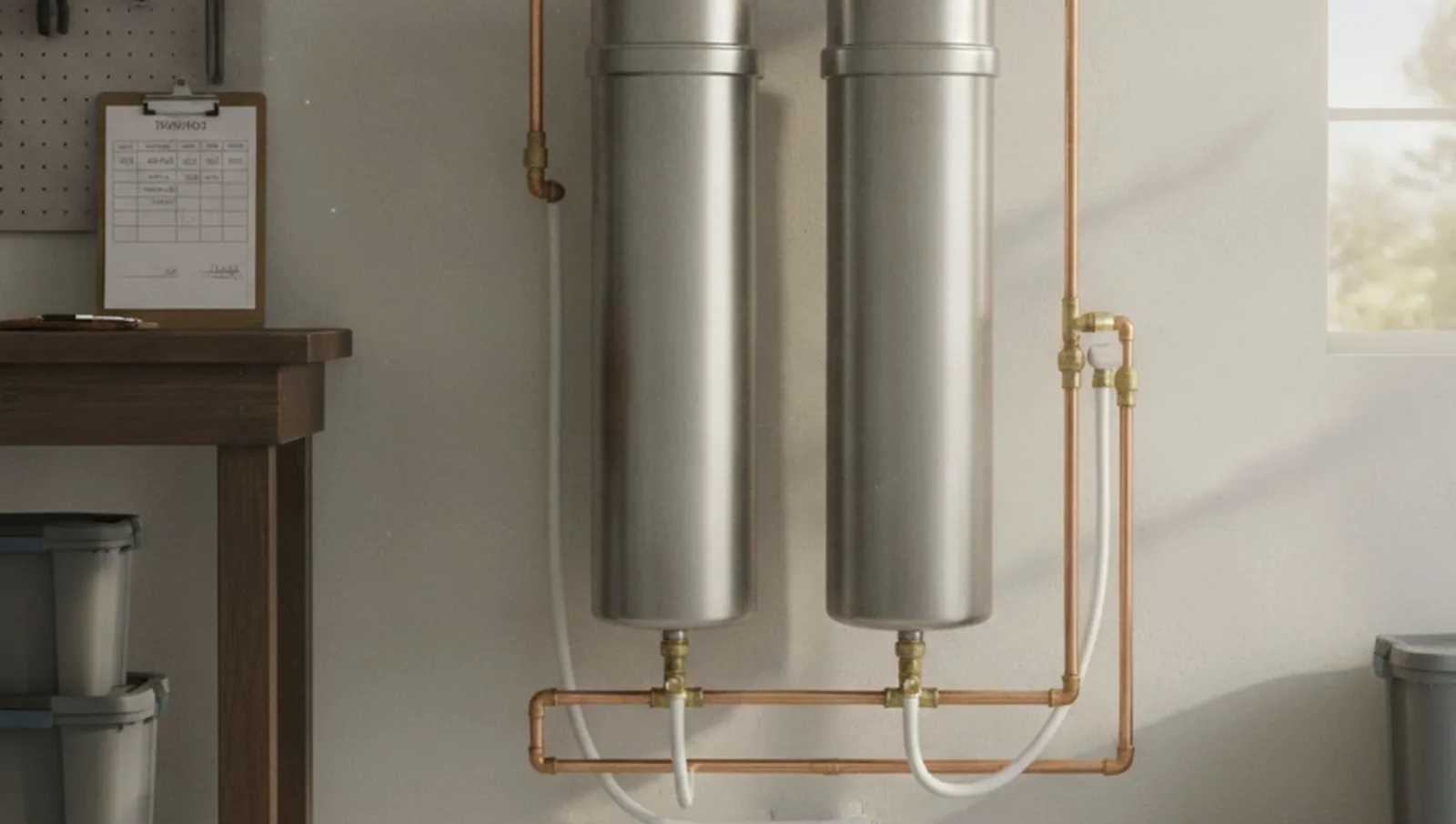
Homeowners often discover permitting rules during a property sale. A building inspector might flag an unapproved water treatment setup. Local regulations treat these systems as plumbing modifications. That means paperwork is usually required before work begins.
Permit rules for softeners in San Diego County
Most jurisdictions in this region require approval for treatment equipment. A new system connects directly to household pipes. It also needs a discharge path for backwash or brine. Those connections place the project under plumbing codes. This isn’t just swapping out a kitchen appliance.
Local building departments usually handle these projects through simplified channels. They classify them as “No-Plan” plumbing permits. Water heater replacements fall into this exact same category. No detailed engineering drawings are needed for approval.
Fees for this simplified permit category vary by location. Homeowners typically pay between $150 and $300. The final amount depends on the specific city or county office. Extra plumbing changes will increase that base cost. Sometimes a direct replacement avoids the paperwork entirely. Swapping an old unit for a new one on identical connections might not trigger a requirement everywhere. Only the local building authority can confirm this for your address. You can also explore water softener installation options for your property.
Why local codes require approval for treatment systems
Inspectors look for two specific things during their visit. First, they check the routing of the brine discharge line. Second, they verify backflow prevention measures. These safeguards stop treated water from flowing backward. Without them, brine could enter your drinking supply.
Improper drain connections violate local plumbing codes. An air gap is usually mandatory at the discharge point. Missing this detail creates a cross connection hazard. Home inspectors frequently catch these errors years later. That discovery can delay a real estate transaction significantly. Understanding hard water effects on your home helps explain why proper installation matters.
Hiring a qualified professional removes most of this burden. Licensed plumbers generally handle the application process themselves. They schedule the required visits from city or county staff. Their experience helps the project pass inspection quickly. Taking shortcuts with unlicensed workers shifts all liability to you. Unpermitted work almost always causes problems during escrow.
Costs and timelines for approved installations
The base fee is only part of the financial picture. Older houses often need drain upgrades to meet current standards. Your existing laundry standpipe might lack a proper air gap. Fixing that deficiency usually adds $100 to $250 to the total. Homes built before recent code updates face this issue frequently. You might also consider salt-free water conditioning as an alternative approach.
A standard project follows a predictable sequence of events. The professional submits the paperwork to the local department. Then they complete the physical setup in roughly half a day. Afterward, they request an official review from the jurisdiction. The inspector arrives to examine the drain and backflow devices. Once everything passes, the permit receives its final sign off. Most routine jobs finish within one to two weeks total. Delays usually depend on how busy the inspection office is.
Finding the right building department for your address
San Diego County contains many different regulatory agencies. Your property’s exact location determines who handles your paperwork. Properties inside the City of San Diego use one specific office. The Development Services Department manages those applications.
Unincorporated areas fall under a completely different agency. For those locations, San Diego County Planning & Development Services takes over. Incorporated cities operate their own independent building divisions. Chula Vista, Escondido, Oceanside, and Poway all have separate offices. Each municipality sets its own fee schedules and rules. What triggers a permit in one town might not in another. Residents in North County can review specific requirements for water filtration service in Encinitas or nearby communities.
Calling the local permit counter is the fastest verification method. Describe your exact project to the staff on the phone. Tell them if you are adding a new drain connection. They will clarify whether your scenario requires formal approval. Always ask your chosen contractor about their permitting process. Some professionals include application fees in their initial quote. Others list permit costs as a separate charge. Clarifying this upfront prevents billing surprises later. Checking local restrictions is also smart, especially regarding are salt-based water softeners restricted in San Diego.
Frequently asked questions
Does replacing my current unit require new paperwork?
Many jurisdictions demand a permit even for replacement projects. Some waive the requirement if connections remain exactly the same. Always verify the rule with your specific local building office.
What is the typical price for a plumbing permit here?
Expect to pay between $150 and $300 for basic approvals. Drain modifications can add another $100 to $250. Exact totals depend entirely on your local government’s fee structure.
Who is responsible for submitting the application?
Licensed plumbing contractors usually manage this step for homeowners. They file the paperwork and arrange the necessary inspections. DIY projects leave the homeowner solely responsible for compliance.
What risks come with skipping the approval process?
Unapproved work often gets discovered during property sales. Insurance companies may deny claims related to unpermitted plumbing. Buyers might force you to redo the work before closing. Fixing it later costs much more than doing it right initially.
Will unpermitted work affect my homeowners insurance coverage?
It certainly can. Insurers expect major plumbing modifications to follow code. Water damage originating from unapproved work might not be covered. Proper documentation protects your policy and your property value.
Getting professional guidance for your home
A separately licensed professional should evaluate your plumbing before any work starts. They can determine exactly what your local jurisdiction requires for approval. Skipping this step often leads to expensive corrections down the road. Call (858) 400-4647 and Clear Water Pros SD will connect you with an independent local water-treatment professional.