How reverse osmosis drinking water works
A point-of-use reverse-osmosis system pushes water through a membrane with pressure, splitting it into treated water you use and concentrate that flows to a drain. Each model handles reduction, efficiency, pretreatment, storage, and upkeep differently, so match the exact certified claims against the specific concern in your water.
What you'll learn
- How pressure drives water through an RO membrane
- How an RO system ends up producing both treated water and reject water
- How prefilters, postfilters, tanks, and pumps change with each model
- Steps to weigh exact contaminant-reduction and efficiency certifications
- Why the manufacturer alone sets replacement intervals and performance checks
Step by step
- Pull your serving utility's current report and run the right tests to set a treatment goal.
- Don't assume an RO label covers every contaminant. Check the specific model's third-party certified reduction claims instead.
- Follow the model's own flow path through prefilters, membrane, storage or pump parts, and the postfilter.
- Match treated-water output, incoming-water use, and reject flow under the same definitions and test conditions.
- Check the specific model for efficiency. Point-of-use RO units carrying the WaterSense label satisfy criteria that limit reject water to no more than 2.3 gallons per gallon treated under certification conditions.
- Change cartridges and the membrane on the maker's schedule or the stated performance cues, then verify results as they instruct.
Filter and membrane life doesn't follow a universal calendar. Feedwater, usage, pressure, pretreatment, storage design, and the exact model all factor in. Slower output or a change in taste can stem from several causes, so consult the manual and test before selecting a replacement part.
Rather have a pro handle it?
Reach out to a separately licensed water-treatment pro in San Diego County. Inquire about the free in-home water test.
Keep learning.
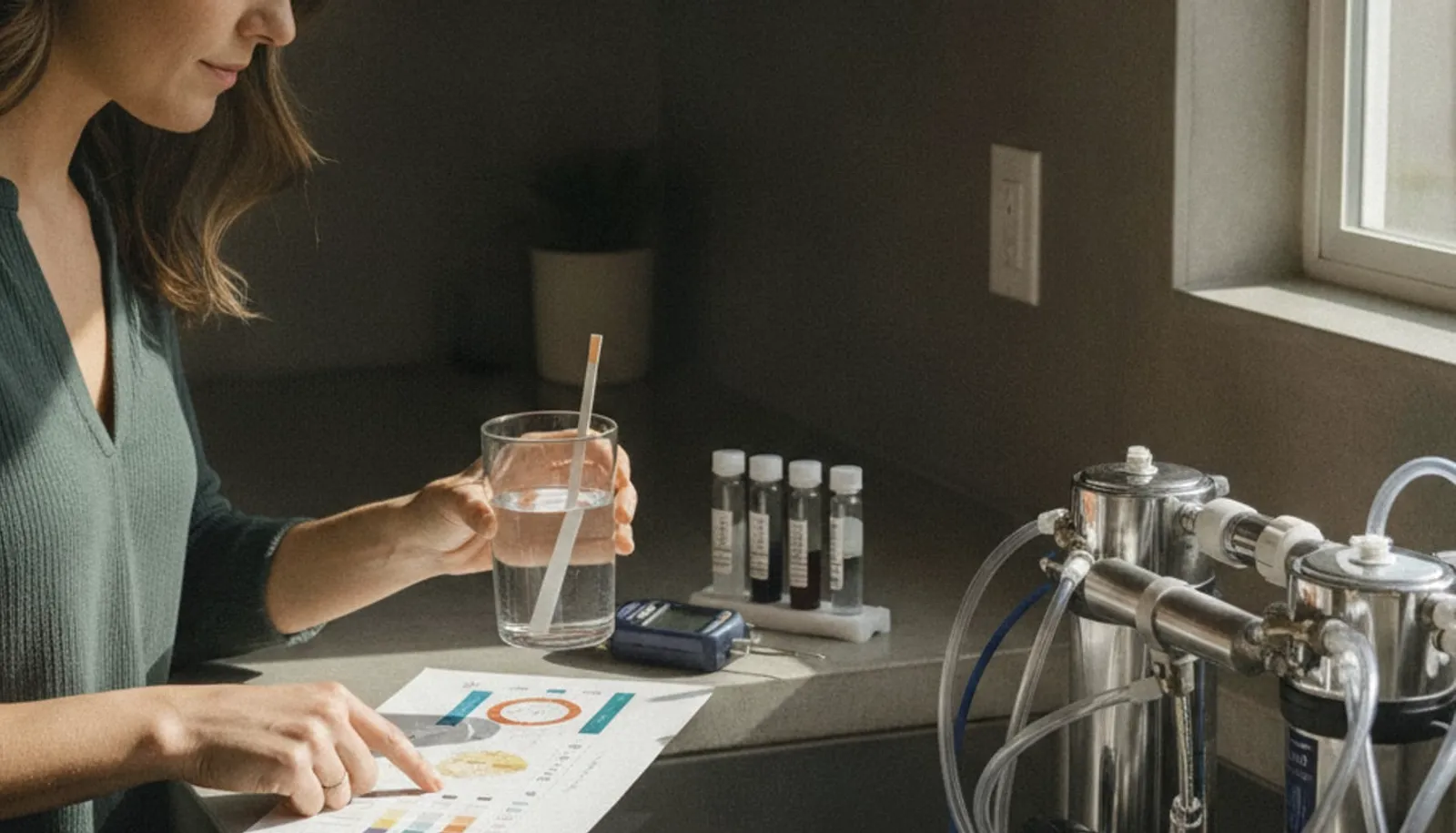
How to test your tap water at home
According to the City of San Diego, tap water in its distribution system typically measures around 16 grains per gallon, though the figure shifts by neighborhood and seasonal demand. A store-bought test strip can give a fast screening reading for whatever parameters that particular kit covers, yet it cannot stand in for a proper lab analysis or confirm that water is safe to drink.
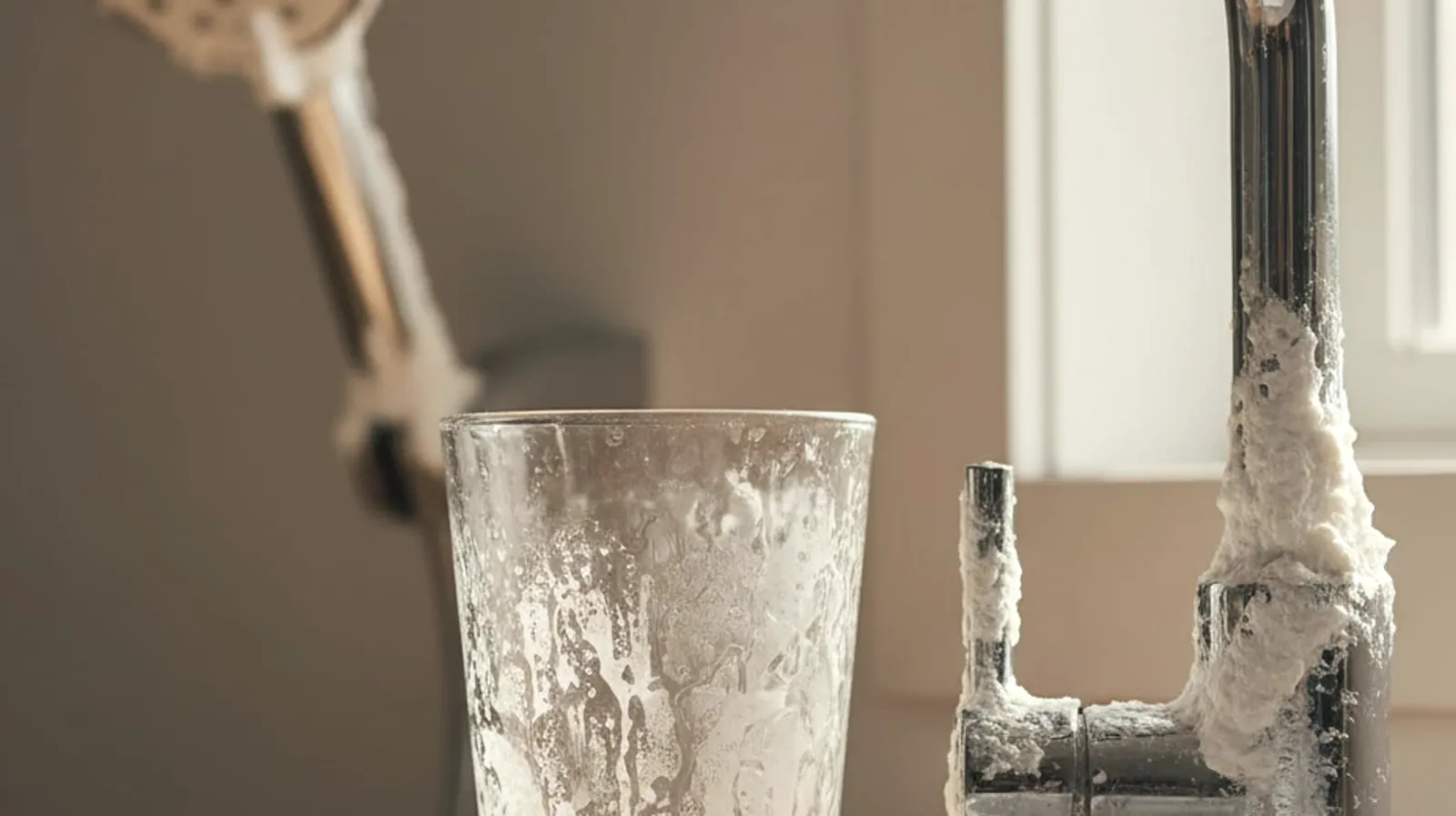
How to spot hard water in your home
Hard water minerals rarely announce themselves through scent or sight. Instead, look for scale, spots, or shifts in how soap foams. Other issues can mimic these clues, so run a proper hardness test before settling on any treatment option.
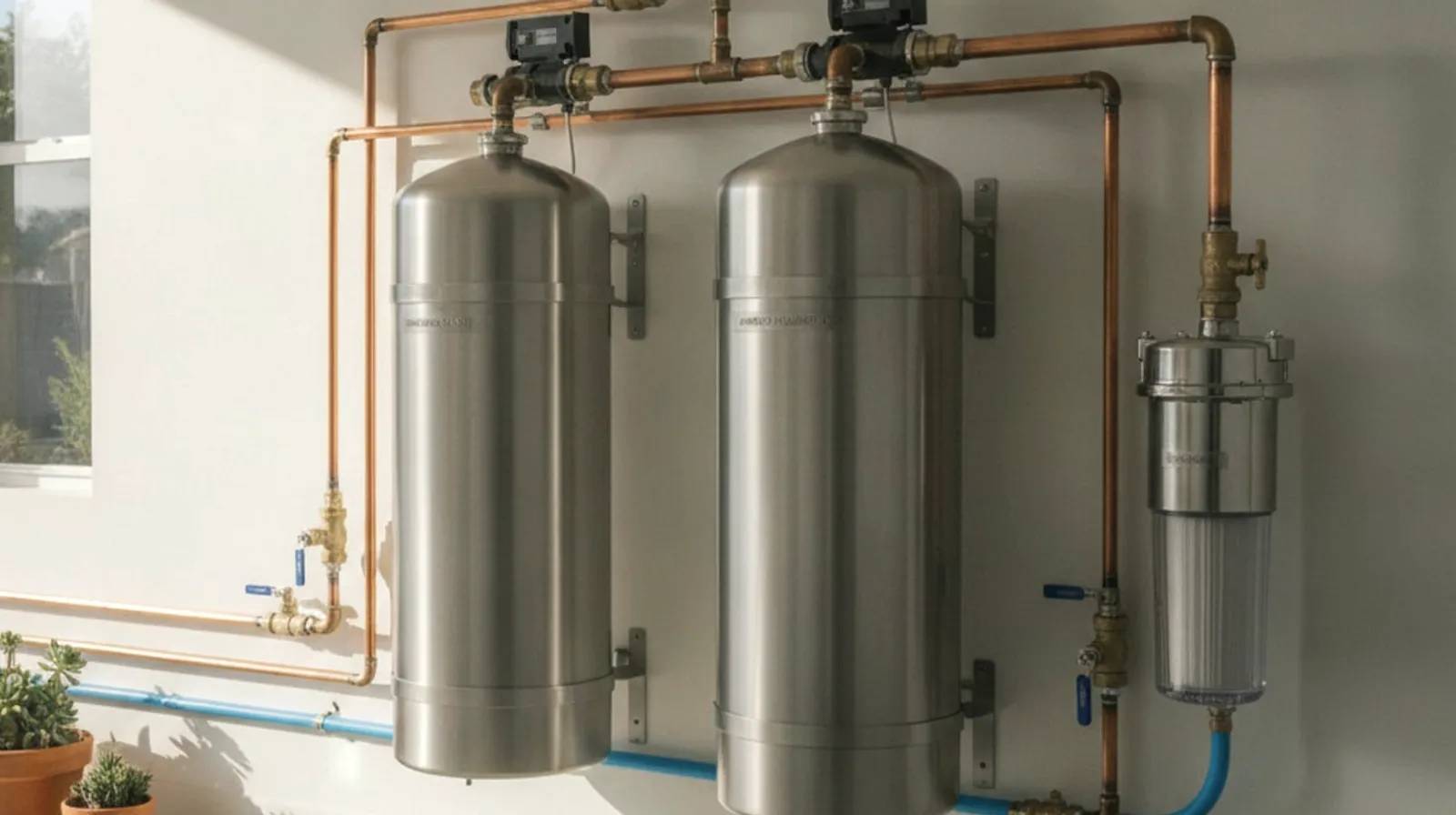
How a whole-house water filtration system works
A point-of-entry water-treatment setup sits on the line that feeds the home, so every fixture past it gets treated water. What gets removed depends on the specific gear, filter media, water flow, and what the unit is certified to reduce. Knowing this scope makes it easier to weigh a whole-house setup against a point-of-use unit attached to a single tap.