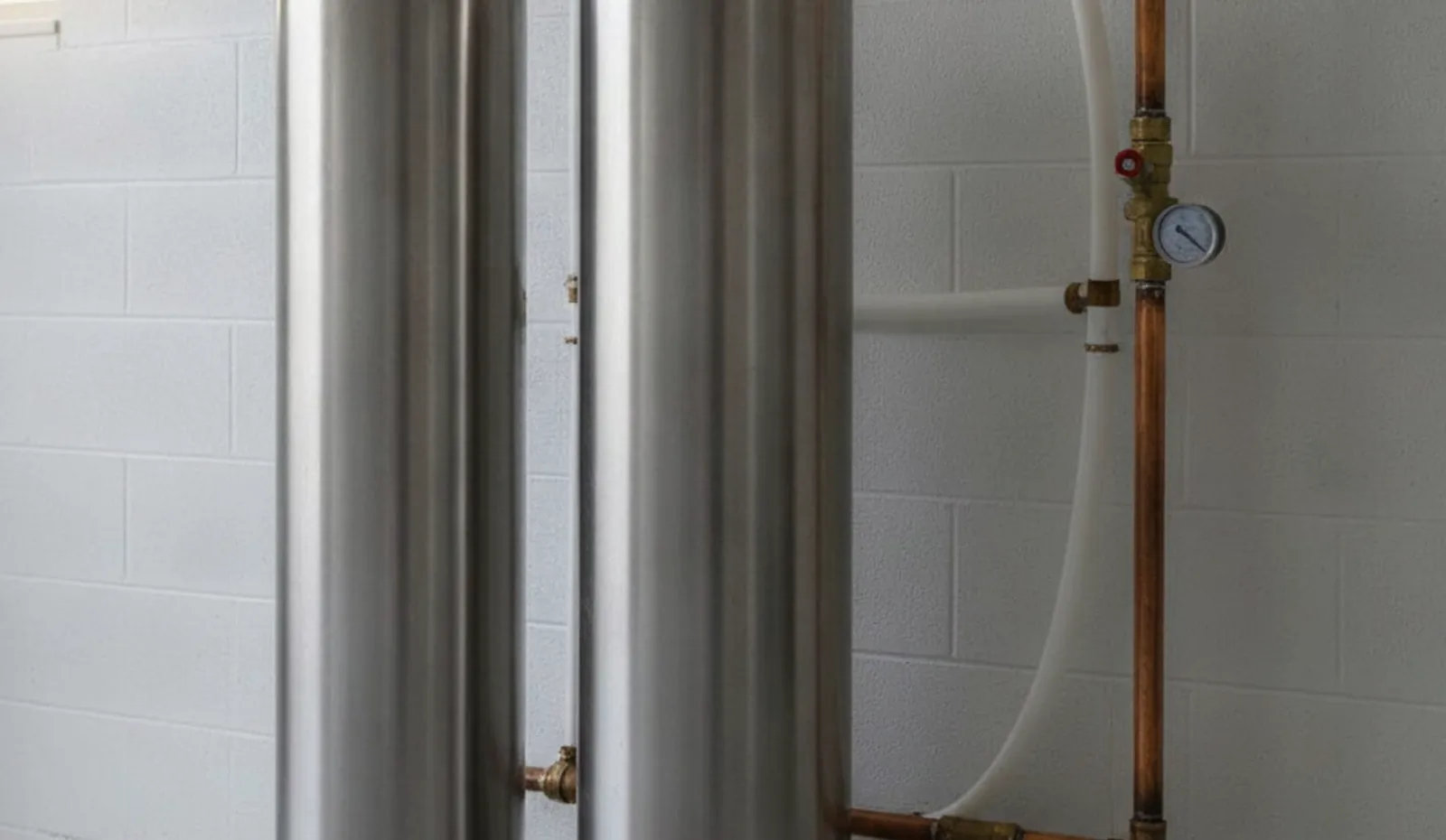
Understanding whole house water filtration cost in San Diego
The EPA published a national guide in November 2024. It places point of entry systems broadly in the thousands of dollars. The guide also states these units generally require professional installation. That document offers planning context rather than a local market estimate. A licensed provider must write a specific proposal to determine your actual price.
Installed pricing depends on several distinct factors. Your specific water problems dictate the required equipment. The combination of treatment stages changes the final number. Plumbing complexity and labor needs also affect the total. Every home presents a unique set of variables.
Clear Water Pros SD is a referral network serving San Diego County, California. We connect homeowners with independent, separately licensed local water treatment professionals. These professionals perform all testing, installation, and maintenance work. Call (858) 400-4647 to get started.
Comparing system configurations and their scope
Use this breakdown when you evaluate written proposals from local professionals. Each configuration carries different requirements and ongoing expenses. Ask the provider to confirm every detail before you sign anything.
| Configuration type | Scope items to verify | Ongoing costs to verify |
|---|---|---|
| Carbon filtration | Exact certified claim, capacity, plumbing, commissioning | Model specific media, cartridges, service |
| Carbon plus salt free conditioning | Both exact model claims, capacity, labor | Model specific media, service |
| Carbon plus ion exchange | Capacity, bypass, drain, labor, commissioning | Salt, regeneration water, parts, service |
| Well water treatment | Laboratory supported stages, exact claims | Model specific lamps, media, parts, testing |
| Whole house plus point of use RO | Both systems, plumbing connections | Replacement elements, service, RO water use |
Comparing these details helps you understand whole house water filtration proposals accurately. The licensed professional determines the appropriate test results and pipe configuration. They will specify the exact equipment needed for your property.
What components make up a point of entry system
A point of entry unit treats water on the main supply line. Your plumbing layout dictates which fixtures receive treated water. You should confirm any bypassed branches with the provider. Always ask them to list the proposed treatment stages in writing.
Start by reading your serving utility report. Order appropriate testing based on your specific concerns. The professional may then propose several distinct stages for your home.
Sediment pre filter. This component may address particles before the main media. Confirm the exact rating and flow specifications. Ask about expected pressure loss and replacement instructions.
Carbon media. Match the certified claim to your utility report. The claim must align with your current disinfectant and goal. A carbon category alone does not prove reduction of every chemical.
Conditioning or softening stage. Ion exchange reduces calcium and magnesium hardness. Salt free conditioning does not remove those hardness ions. Compare the documented scale reduction claim for each model. The right choice depends on measured hardness and household use. Learn more about salt free water conditioning options for your home.
Included controls, gauges, and bypasses vary by model. Confirm every single item in the written proposal.
Does the quoted price include softening or conditioning
Always check the written proposal carefully. It should state whether softening or conditioning is included. The document must identify each specific model by name. It should also show how extra equipment affects the quoted scope.
The City of San Diego reports an average hardness of about 16 grains per gallon. Their system ranges from 16 to 18 depending on area and demand. That figure applies only to their specific service area. It is not a countywide measurement. Verify your serving utility and measure at your address. Then decide if a conditioning stage fits your goal.
Choosing between ion exchange and salt free conditioning affects operation. Ion exchange uses salt and regeneration water during its cycle. Salt free conditioning operates without removing hardness ions. Compare exact model maintenance schedules for both options. Confirm current property requirements before making a decision.
Clear Water Pros SD connects homeowners with independent licensed providers. A free field screen can support an initial assessment. However, it is not a laboratory analysis. It also does not serve as an all contaminant safety clearance.
Local water characteristics that drive treatment decisions
Treatment choices should start with verified local data. Read your serving utility report or order private well testing. Define your household goal clearly before selecting equipment.
Hardness levels. Verify your serving utility and measure at your address. Hardness classification does not certify drinking water safety. It cannot predict equipment life or prove treatment is necessary.
Disinfectant types. Check your serving utility report for current notices. Never assume one disinfectant is used countywide. Compare the exact certified claim if reduction is your goal. Explore chlorine and chloramine removal solutions available through our network.
Plumbing and equipment limits. Ask manufacturers about specific water quality limits. Inquire about warranty terms related to water chemistry. Do not infer protection from a general treatment category.
Local differences. Utility boundaries matter more than coastal or inland labels. Private wells introduce entirely different variables. Never transplant water results from one area to another.
Residents in eastern areas might consult the El Cajon planning guide for local considerations.
Calculating long term ownership expenses
The upfront installation price is just one number. Running the system over its lifespan requires a separate calculation. You must include every recurring expense to see the full picture.
Account for every model specific cartridge and media requirement. Factor in salt, regeneration water, and lamp replacements. Include membrane changes, service visits, and disposal costs. Use the manufacturer schedule for timing these replacements. Rely on the provider written prices rather than generic intervals. Local averages rarely match your specific system needs.
Evaluating if whole house treatment fits your goals
Your decision depends on the measured concern and household goal. Review the full written cost before committing to anything. Consider treatment when water characteristics match a certified claim. That claim must directly address your specific goal. Taste or odor alone does not establish water safety. Those signs do not identify the active disinfectant either.
Compare complete ownership costs with your current household spending. No single system addresses every possible contaminant. Treatment does not carry a guaranteed financial payback period. Renters must obtain property owner approval first. Every household should compare the treatment goal against written costs. Select any point of entry treatment by its exact claims. Confirm which fixtures the system will actually serve.
Getting an accurate quote for your property
Market ranges only serve as rough starting points. An accurate number requires knowing your actual water chemistry. The professional needs your square footage and daily water use. They must locate your main shutoff and assess installation space. Pipe material and condition heavily influence the final quote. Tell them if you want a softener, conditioner, or reverse osmosis.
Schedule a free in home water test through our referral network. An independent provider will conduct a field screen and site assessment. They will explain the limits of that screen. The provider supplies the final written quote. Use a suitable laboratory for concerns outside the screen scope. You might also explore reverse osmosis drinking water options with them.
Frequently asked questions
What determines the installed price of a whole house filter
The EPA national guide places point of entry systems in the thousands. Professional installation is generally required according to that guide. Those figures offer planning context only. The licensed provider written estimate determines your actual price.
How does a softener differ from a salt free conditioner
Ion exchange reduces calcium and magnesium hardness effectively. Salt free conditioning does not remove those hardness ions. Compare the exact scale reduction claim for each model. Review maintenance needs and property specific requirements carefully.
Will a whole house filter remove chloramine from my tap
Verify your serving utility current disinfectant first. Compare the exact model certified claim if chloramine reduction is your goal. Check the operating conditions listed for that specific unit. A generic carbon label does not establish actual performance.
Should I choose a whole house system or under sink unit
An under sink reverse osmosis system treats one selected tap. A point of entry system treats water entering the residence. Compare the certified reduction claims for each proposed model. Evaluate water use and maintenance for both options. One scope does not prove the other is necessary.
Does adding a whole house filter reduce water pressure
Pressure performance varies by model and installation site. Compare rated flow and pressure drop data with measured demand. Follow the manufacturer maintenance instructions to preserve flow rates.
Planning your next steps
A separately licensed professional should evaluate your plumbing and water chemistry before any purchase. They will match your specific treatment goals to properly certified equipment. Call (858) 400-4647 and Clear Water Pros SD will connect you with an independent local water-treatment professional.